Upgrading DHL’s Parcel Locker Network Across Europe
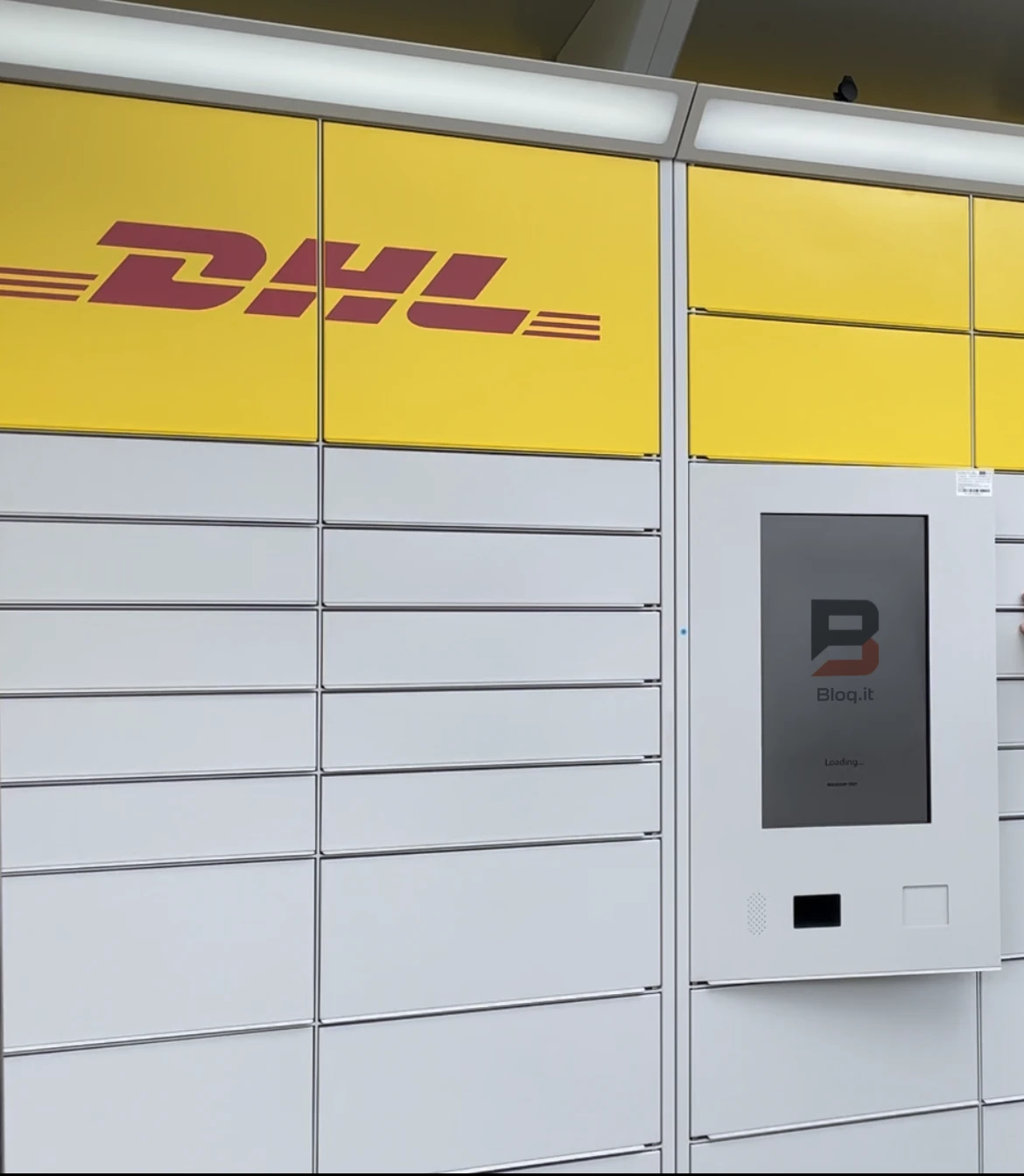
DHL Group, spanning DHL eCommerce, Locker Italia, and PPL, partnered with Bloq.it to bring its parcel locker fleet onto a single software platform.
lockers powered by Bloq.OS
countries live: Italy and Czechia
months from signup to launch, for the first country
DHL eCommerce
Software Platform
Logistics
The Partnership
DHL eCommerce was one of the earliest movers in this space - the first company to put a smart locker into the ground, back in 2021, and it built out that infrastructure aggressively over the years, market by market. But that speed came with a cost: every country, and often every subsidiary, had ended up on different hardware, sourced and built independently. By 2023, DHL was managing one of the largest out-of-home fleets in Europe, and none of it spoke the same language.
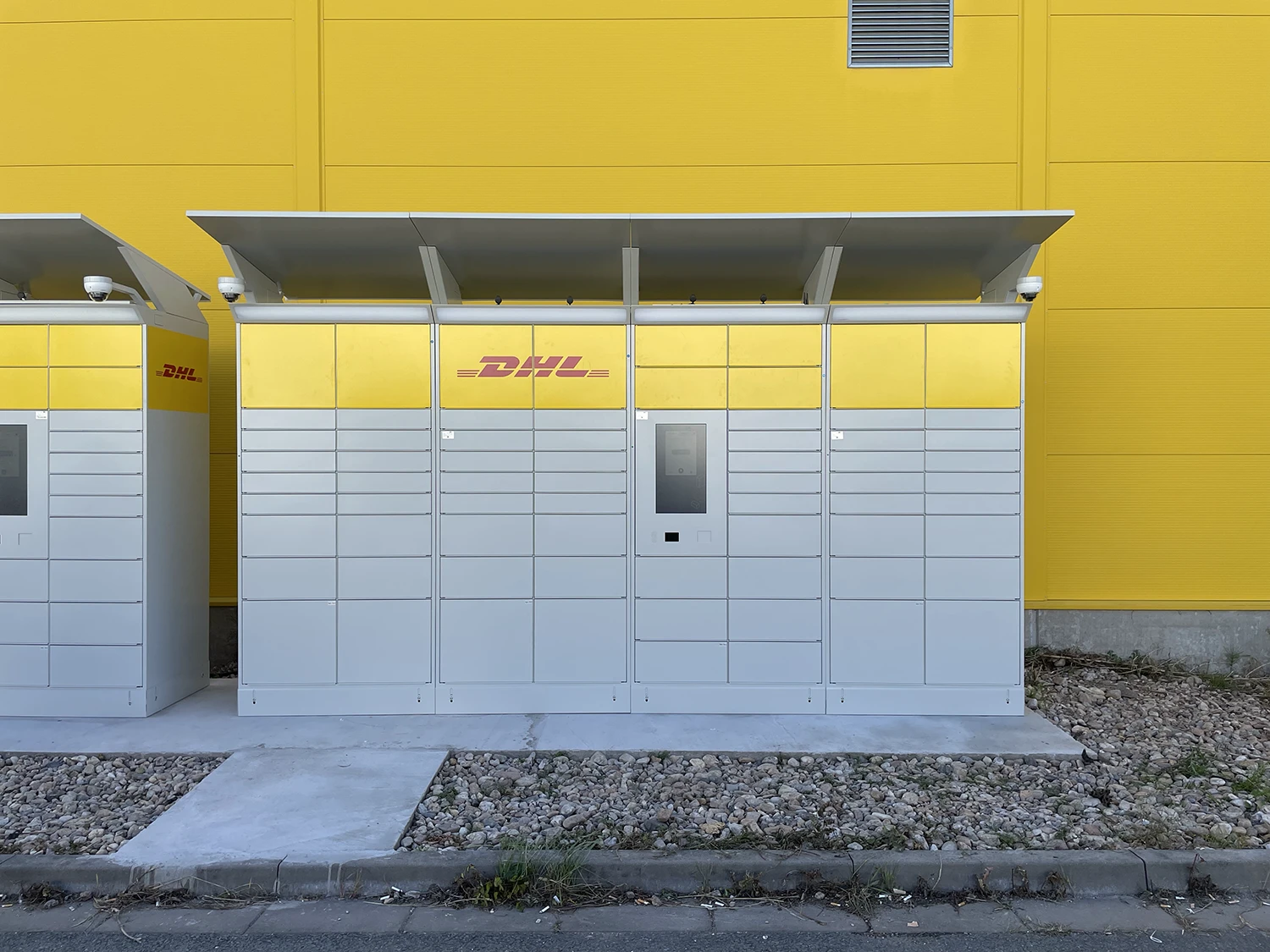
That fragmentation made scaling hard. DHL is also a highly process-driven organization, any partner brought in to fix this needed to meet strict compliance standards and follow a clear, well-documented path, not just the fastest route to launch. So DHL went looking for a software layer that could run across every hardware vendor already in the ground, and put it through what they've described as a very extensive and meticulous evaluation.
"We chose Bloq.it as the provider for the software for our European locker network in early 2023. Their solution stood out as the most complete one in features and product vision." - Klaus Ebner, Senior Locker Expert at DHL
The Project
The rollout started in the Czech Republic with PPL, a local DHL subsidiary, and went from signed agreement to a live locker network in six months. For an integration this complex, that's fast: most enterprise rollouts of this scale, unifying multiple hardware vendors under one backend for a customer with DHL's compliance requirements, take years rather than months. Bloq.it's engineering teams worked directly with those hardware vendors to bring PPL's different locker types onto one backend, while working alongside PPL's own IT teams to meet their technical requirements without losing the user and operator experience PPL had spent years tuning to the local market.
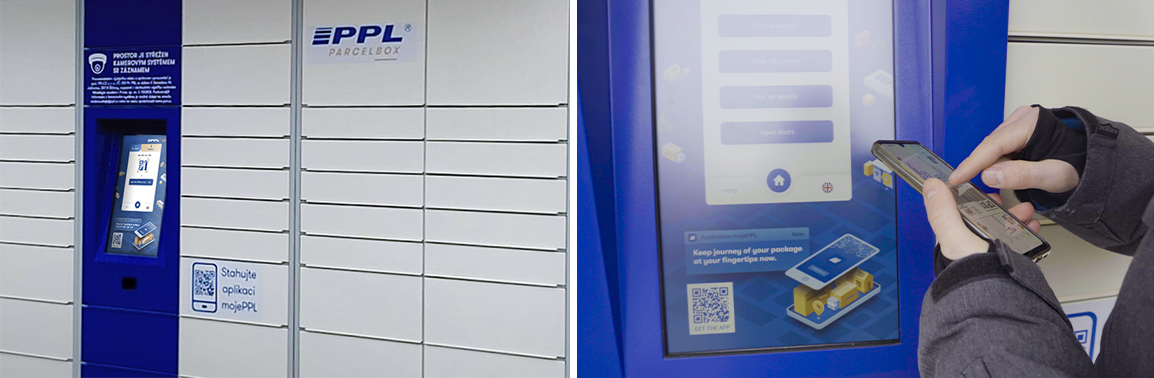
PPL can now deploy different locker and vending formats depending on location, without being tied to a single hardware vendor, and the interface, language, and flow stay consistent for the people using it, wherever they are. From there, the rollout carried into Italy, and the same model, one software layer, multiple hardware vendors, adapted to each market's own language and flows, is now running across both countries. What started as a six-month pilot has scaled to already more than 3,000 of the 5,000 lockers agreed under the partnership: proof that the speed of that first launch wasn't a one-off, but something the platform has sustained as the fleet kept growing.
.webp)
Looking Ahead
DHL's entire fleet now reports to one system, even while running on different hardware, in different languages, market by market. That's what makes it scalable: improvements roll out across the whole network at once, while each country keeps the flexibility to meet its own operational needs. The relationship keeps evolving alongside the rollout, from a shared software layer today toward a broader partnership as the fleet keeps growing.
About DHL
DHL eCommerce, one of the divisions of DHL, is a world leader in both domestic and international parcel delivery, helping businesses grow within and beyond borders. They were the first company to implement a smart locker back in 2021 and, over the years, they have grown their network extensively and currently manage one of the largest fleets of OOH.